干旱气象 ›› 2026, Vol. 44 ›› Issue (2): 231-240.DOI: 10.11755/j.issn.1006-7639-2026-02-0231

• 论文 • 上一篇    下一篇

湘中地区汛期(4—9月)短时强降水时空分布特征

蔡海朝1,2(), 刘红武2,3(), 蔡瑾婕2,3, 唐永兰4, 蔡杏芳1   

  1. 1 湖南省娄底市气象局湖南 娄底 417000
    2 中国气象局高影响天气(专项)重点开放实验室气象防灾减灾湖南省重点实验室湖南 长沙 410118
    3 湖南省气象台湖南 长沙 410118
    4 中国气象局武汉暴雨研究所全国暴雨研究中心,中国气象局流域强降水重点开放实验室,暴雨监测预警湖北省重点实验室湖北 武汉 430205
  • 收稿日期:2025-08-19 修回日期:2025-12-08 出版日期:2026-05-20 发布日期:2026-05-18
  • 通讯作者: 刘红武(1982—),女,湖南涟源人,正高级工程师,主要从事灾害性天气机理及预报预警技术研究。E-mail: 45877780@qq.com
  • 作者简介:蔡海朝(1983—),男,广西全州人,高级工程师,主要从事灾害性天气预报与研究工作。E-mail: tfmx007@163.com
  • 基金资助:
    湖南省联合基金重点项目(2026JJ30038);中国气象局创新发展专项(CXFZ2026J014);湖南省气象局创新发展专项(CXFZ2024-FZZX16);湖南省气象局创新发展专项(CXFZ2025-MSXM07);全国暴雨研究开放基金项目(BYKJ2025D01)

Spatio-temporal distribution characteristics of hourly heavy rainfall in central Hunan during flood season (April-September)

CAI Haichao1,2(), LIU Hongwu2,3(), CAI Jinjie2,3, TANG Yonglan4, CAI Xingfang1   

  1. 1 Loudi Meteorological Bureau of Hunan ProvinceLoudi 417000, Hunan, China
    2 Key Laboratory of High Impact Weather (special) China Meteorological AdministrationHunan Key Laboratory of Meteorological Disaster Prevention and ReductionChangsha 410118, China
    3 Hunan Meteorological ObservatoryChangsha 410118, China
    4 Institute of Heavy RainCMA, Heavy Rainfall Research Center of China, China Meteorological Administration Basin Heavy Rainfall Key Laboratory, Hubei Key Laboratory for Heavy Rain Monitoring and Warning ResearchWuhan 430205, China
  • Received:2025-08-19 Revised:2025-12-08 Online:2026-05-20 Published:2026-05-18

摘要:

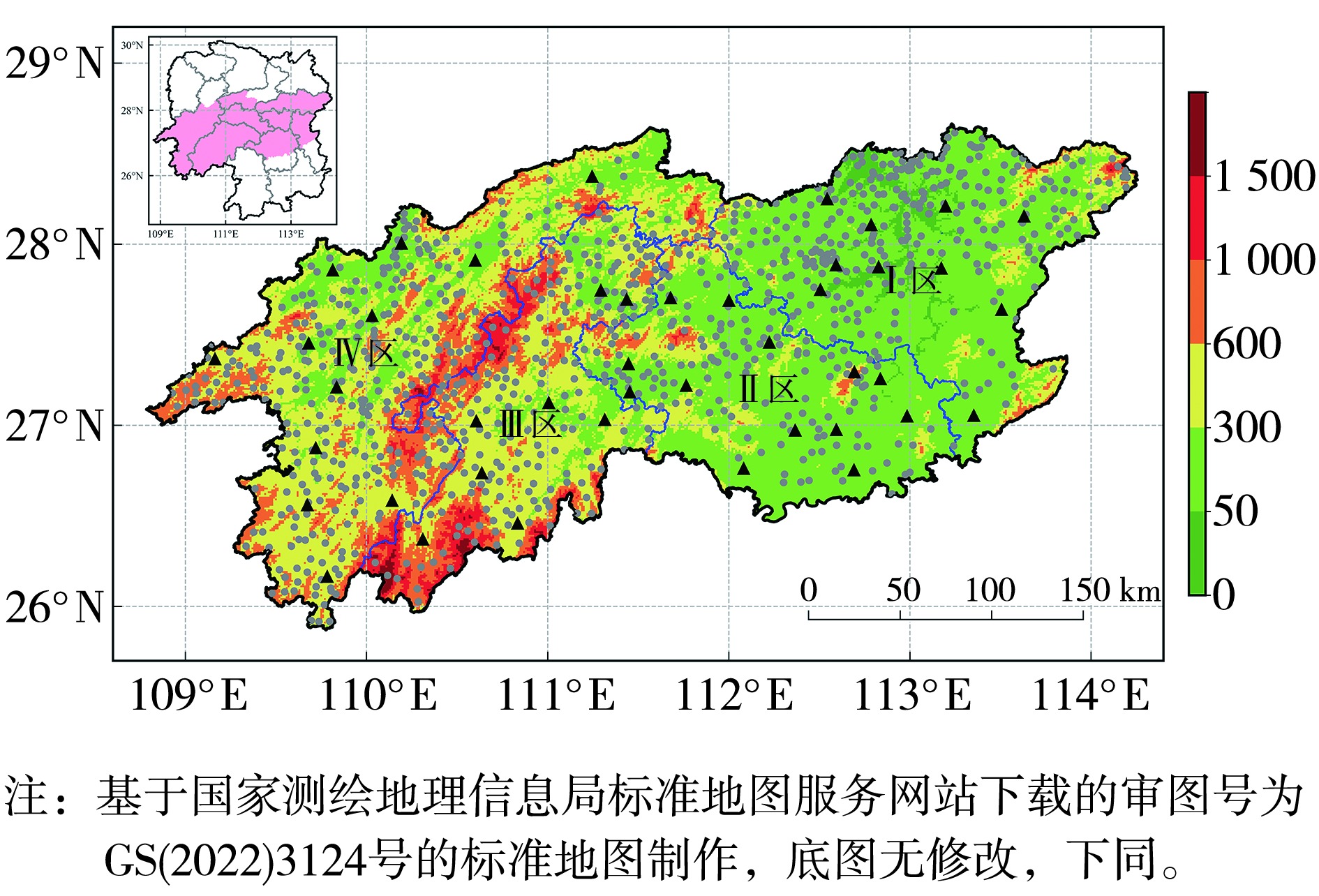
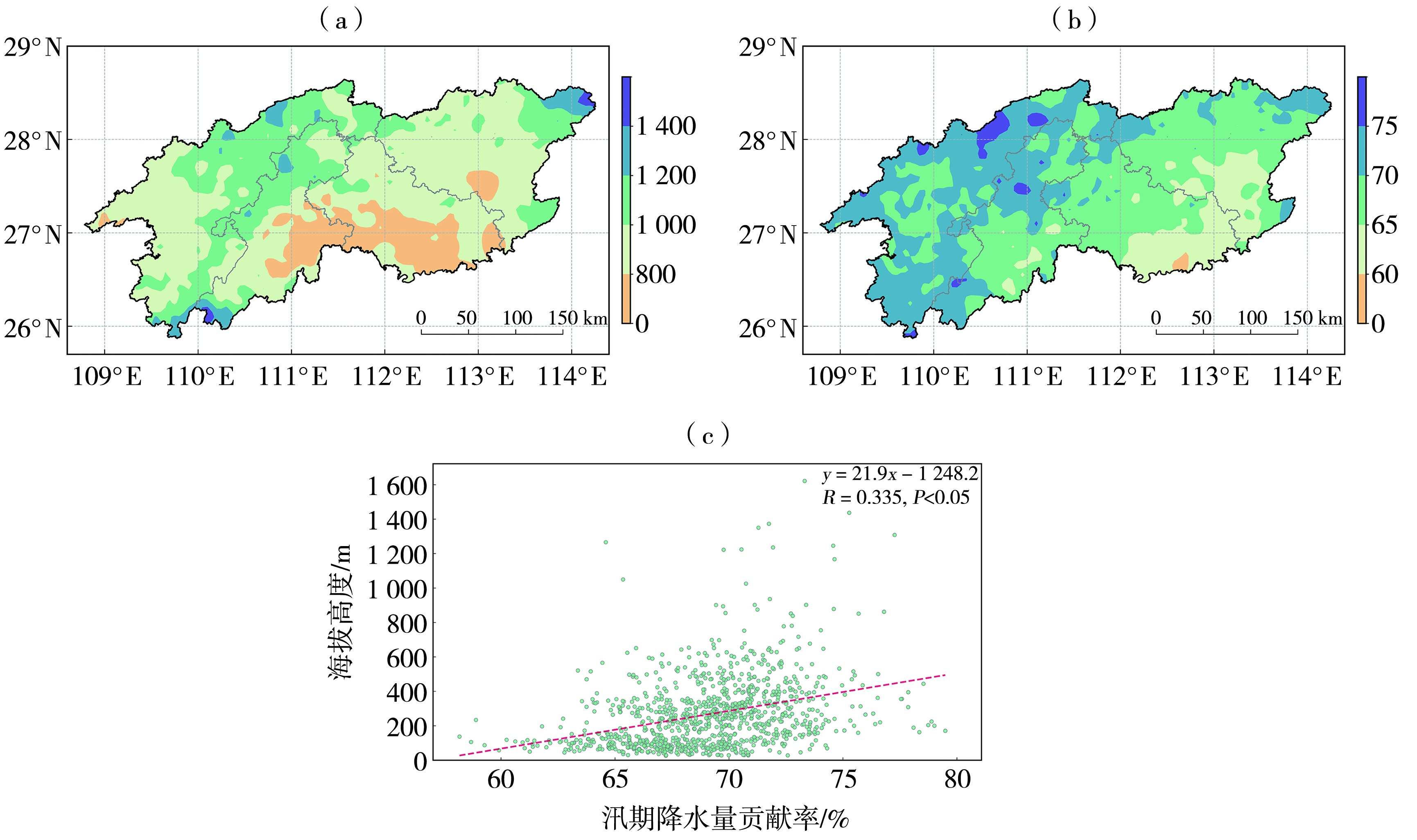
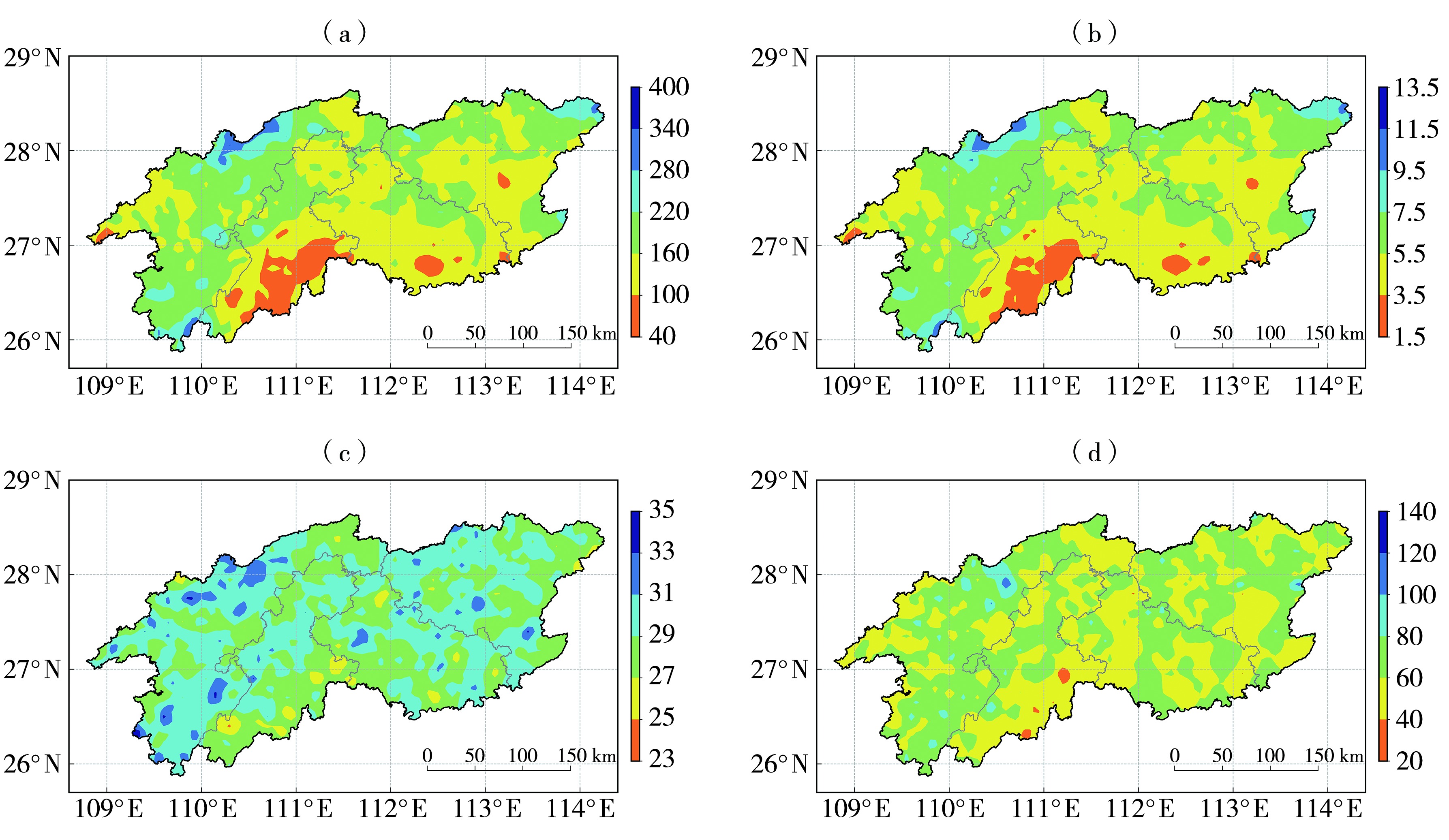
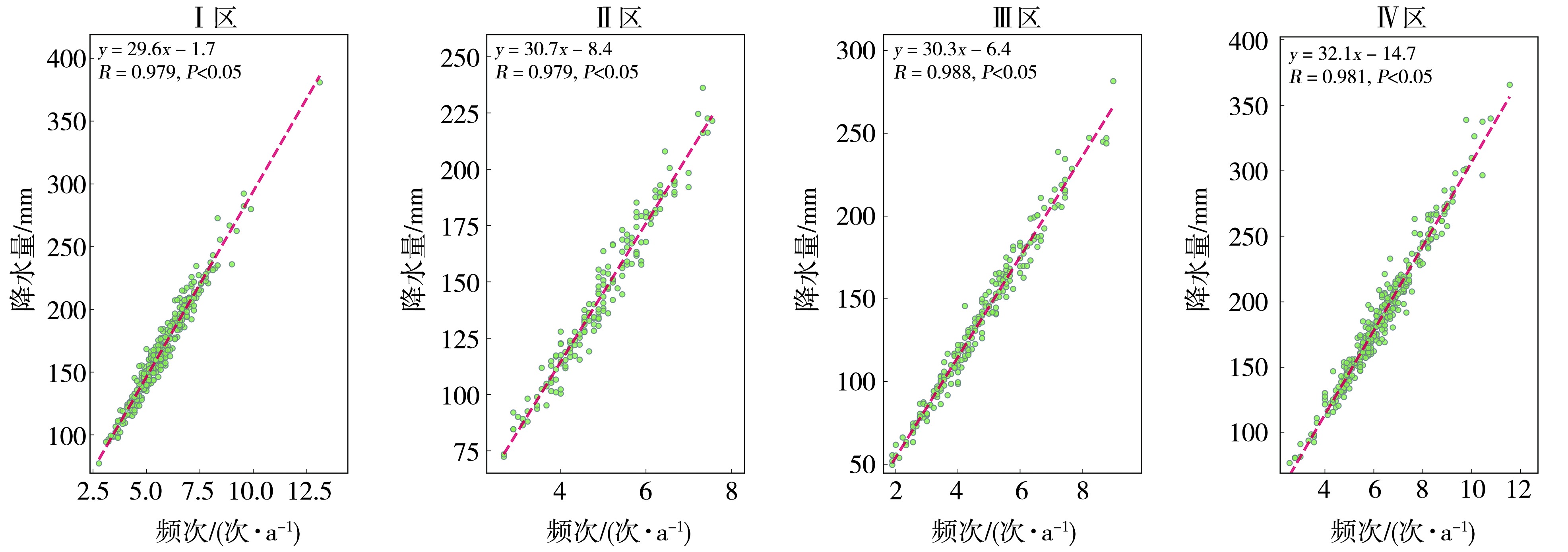
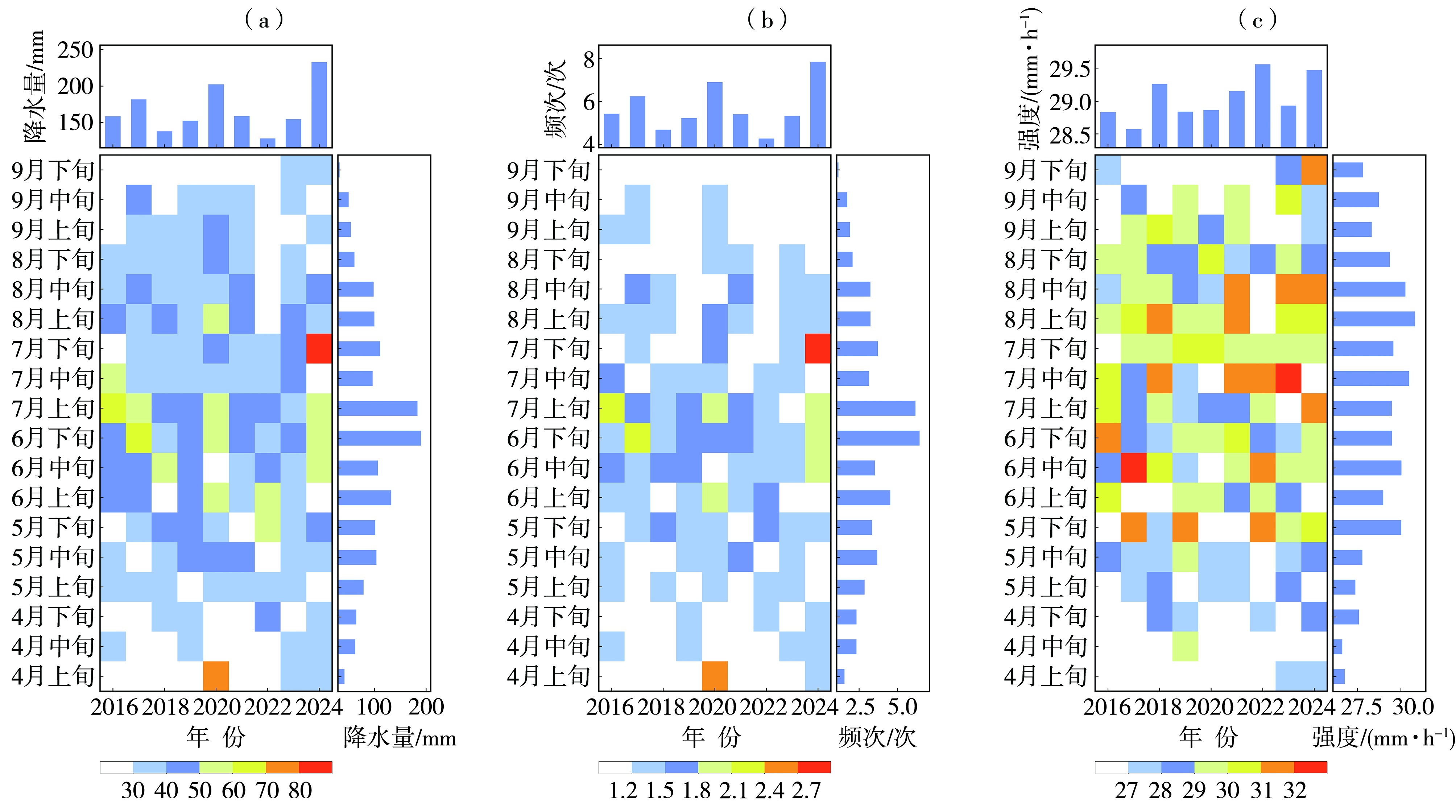
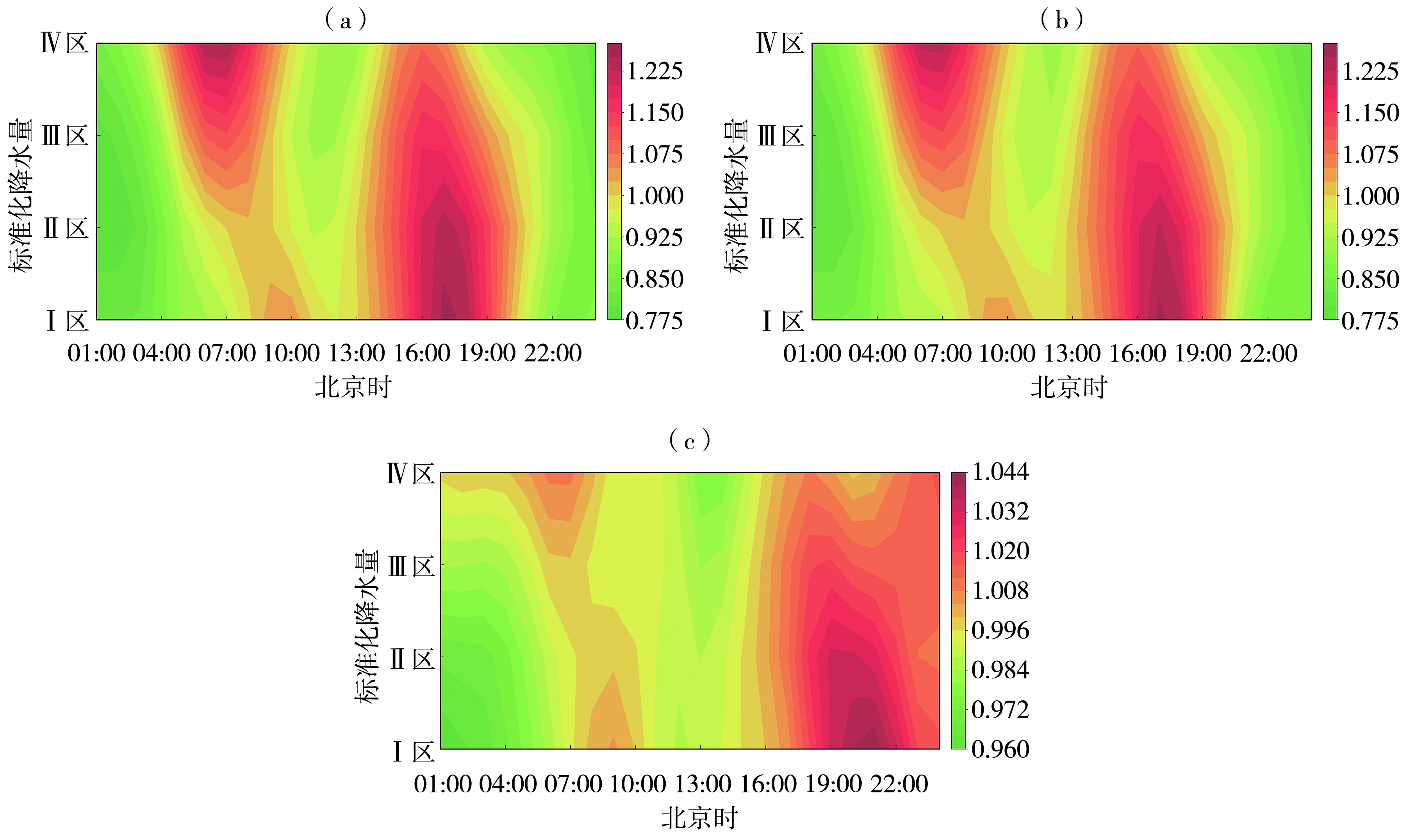
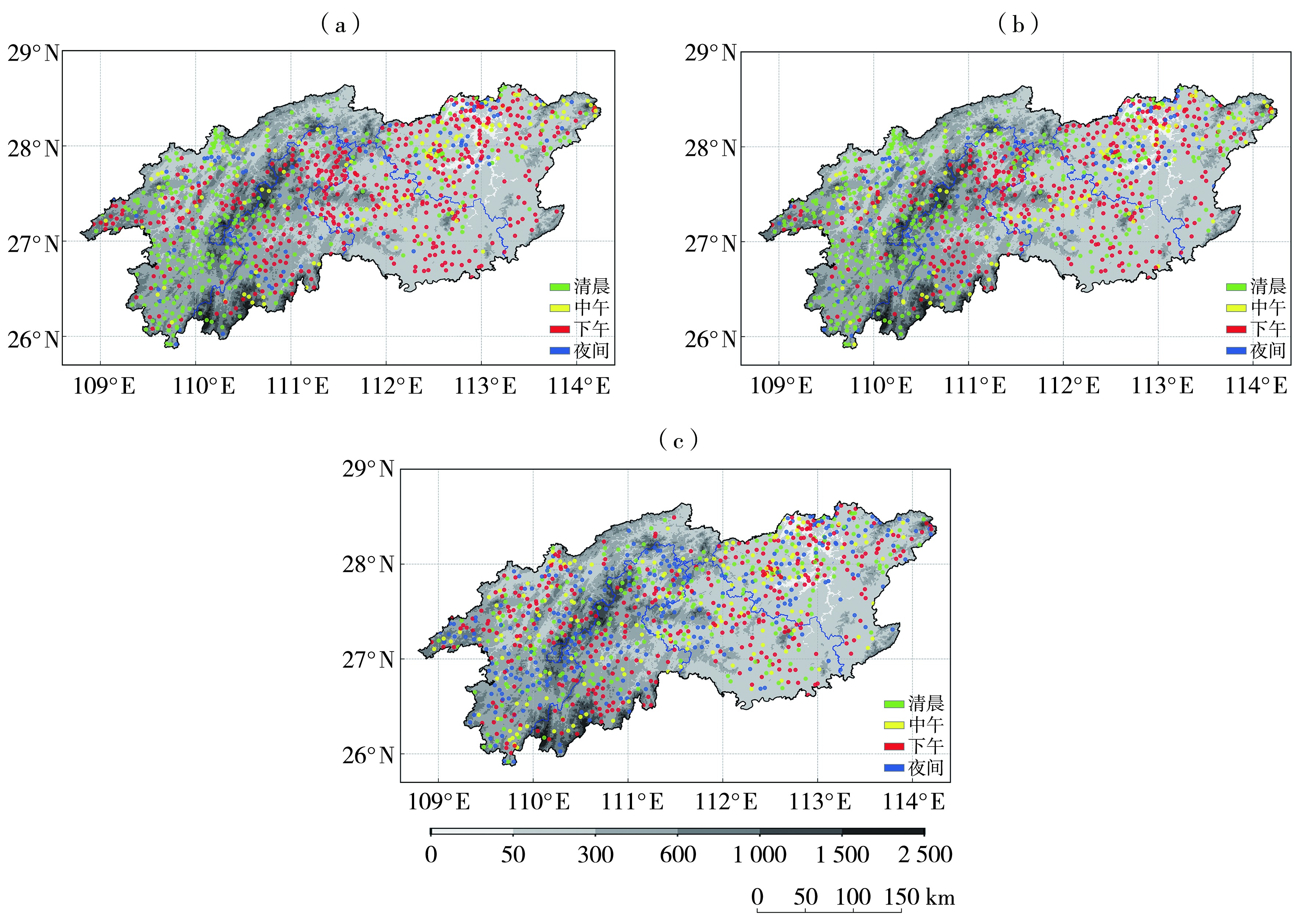
为提升湘中地区短时强降水预报预警能力并优化防灾减灾布局,在地形分区(Ⅰ~Ⅳ区)基础上利用逐小时降水观测资料,系统分析了2016—2024年湘中地区汛期(4—9月)短时强降水的多时间尺度时空分布特征及其演变规律。结果表明,湘中地区汛期短时强降水空间分布差异显著,Ⅰ区东北部、Ⅳ区西北部和西南部为短时强降水平均降水量和频次高值区,其中Ⅳ区西北部为降水强度极值中心,而Ⅱ区和Ⅲ区南部则为明显低值区。年际尺度上,短时强降水降水量与频次变化高度一致且波动显著,2024年最大,2022年最小,而降水强度年际变幅相对较小;旬际尺度上,降水量与频次均呈单峰型分布,峰值出现在6月下旬,而降水强度呈多峰型变化特征。降水量与频次日变化均呈双峰型结构;Ⅳ区(山区)主峰在清晨,而Ⅰ、Ⅱ、Ⅲ区(平原、盆地与丘陵区)主峰在下午;降水强度峰值整体滞后于降水量和频次。降水量与频次的日峰值空间分布高度一致,呈现出自西向东(Ⅳ区→Ⅲ区→Ⅱ区→Ⅰ区)依次推进特征,在Ⅳ区与Ⅲ区之间以雪峰山为界形成一条清晰的东北—西南向过渡带,表明区域短时强降水日变化受不同降水机制主导;降水强度日峰值主要出现在下午,其空间分布区域一致性较弱。

关键词: 湘中地区, 短时强降水, 时空分布, 日变化

Abstract:

To enhance the forecasting and early warning capability for short-duration heavy rainfall (HHR) and optimize disaster prevention and mitigation planning in central Hunan, based on terrain partitioning (Regions I-IV) and hourly precipitation observations, the multi-scale spatiotemporal distribution characteristics and evolution of HHR during the flood seasons (April-September) in central Hunan from 2016 to 2024 were systematically analyzed. The results show that the spatial distribution of short-duration heavy rainfall during the flood season in central Hunan exhibits significant differences. High-value areas of mean precipitation amount and frequency are mainly located in the northeastern part of Region I and the northwestern and southwestern parts of Region IV, among which the northwestern part of Region IV is the center of extreme precipitation intensity, while the southern parts of Regions II and III are characterized by relatively low values. On the interannual scale, precipitation amount and frequency of short-duration heavy rainfall vary consistently and show significant fluctuations, with the largest values occurring in 2024 and the smallest in 2022, whereas the interannual variation of precipitation intensity is relatively small. On the ten-day scale, precipitation amount and frequency both exhibit a unimodal distribution, with the peak appearing in late June, while precipitation intensity shows a multimodal variation pattern. The diurnal variations of precipitation amount and frequency both exhibit a bimodal structure. The primary peak occurs in the early morning over Region IV (mountainous area), whereas the primary peak appears in the afternoon over Regions I, II, and III (plain, basin, and hilly areas). The peak of precipitation intensity generally lags behind those of precipitation amount and frequency. The spatial distribution of diurnal peaks in precipitation amount and frequency is highly consistent, exhibiting a west-to-east sequential propagation pattern (Region IV→Region III→Region II→Region I). A clear northeast-southwest-oriented transition zone is formed between Region IV and Region III along the Xuefeng Mountains, indicating that the diurnal variation of short-duration heavy rainfall in the region is dominated by different precipitation mechanisms. The diurnal peak of precipitation intensity mainly occurs in the afternoon, and the regional consistency of its spatial distribution is relatively weak.

Key words: central Hunan, hourly heavy rainfall, spatio-temporal distribution, diurnal variation

中图分类号: