干旱气象 ›› 2026, Vol. 44 ›› Issue (3): 461-469.DOI: 10.11755/j.issn.1006-7639-2026-03-0461

• 论文 • 上一篇    下一篇

六盘山区积层混合云和降水垂直结构特征分析

邓佩云1,2(), 田磊1,2(), 林彤1,2, 陈家福3, 杨婧4, 杨萌5, 朱浩然1,2   

  1. 1 中国气象局固原人工影响天气与云物理野外科学试验基地宁夏 银川 750002
    2 六盘山大气科学宁夏回族自治区野外科学观测研究站宁夏 银川 750002
    3 成都信息工程大学四川 成都 610225
    4 宁夏回族自治区气象台宁夏 银川 750002
    5 四川省宜宾市气象局四川 宜宾 644000
  • 收稿日期:2025-08-14 修回日期:2026-01-22 出版日期:2026-06-30 发布日期:2026-07-16
  • 通讯作者: 田磊(1984—),男,甘肃武威人,高级工程师,主要从事人工影响天气研究。E-mail: tianl419@163.com
  • 作者简介:邓佩云(1993—),女,宁夏固原人,工程师,主要从事大气物理学与人工影响天气研究。E-mail: dengpy734785297@163.com
  • 基金资助:
    国家自然科学基金项目(42575076);国家自然科学基金区域创新发展联合基金项目(U22A20577);宁夏自然科学基金项目(2026AAC030569)

Analysis of vertical structure features of stratiform and convective mixed clouds and precipitation over Liupan Mountain area

DENG Peiyun1,2(), TIAN Lei1,2(), LIN Tong1,2, CHEN Jiafu3, YANG Jing4, YANG Meng5, ZHU Haoran1,2   

  1. 1 Guyuan Field Research Station for Weather Modification and Cloud PhysicsChina Meteorological AdministrationYinchuan 750002, China
    2 Liupanshan Atmospheric Science Field Observation and Research Station in Ningxia Hui Autonomous RegionYinchuan 750002, China
    3 Chengdu University of Information TechnologyChengdu 610225, China
    4 Ningxia Hui Autonomous Region Meteorological ObservatoryYinchuan 750002, China
    5 Yibin Meteorological Bureau of Sichuan ProvinceYibin 644000, Sichuan, China
  • Received:2025-08-14 Revised:2026-01-22 Online:2026-06-30 Published:2026-07-16

摘要:

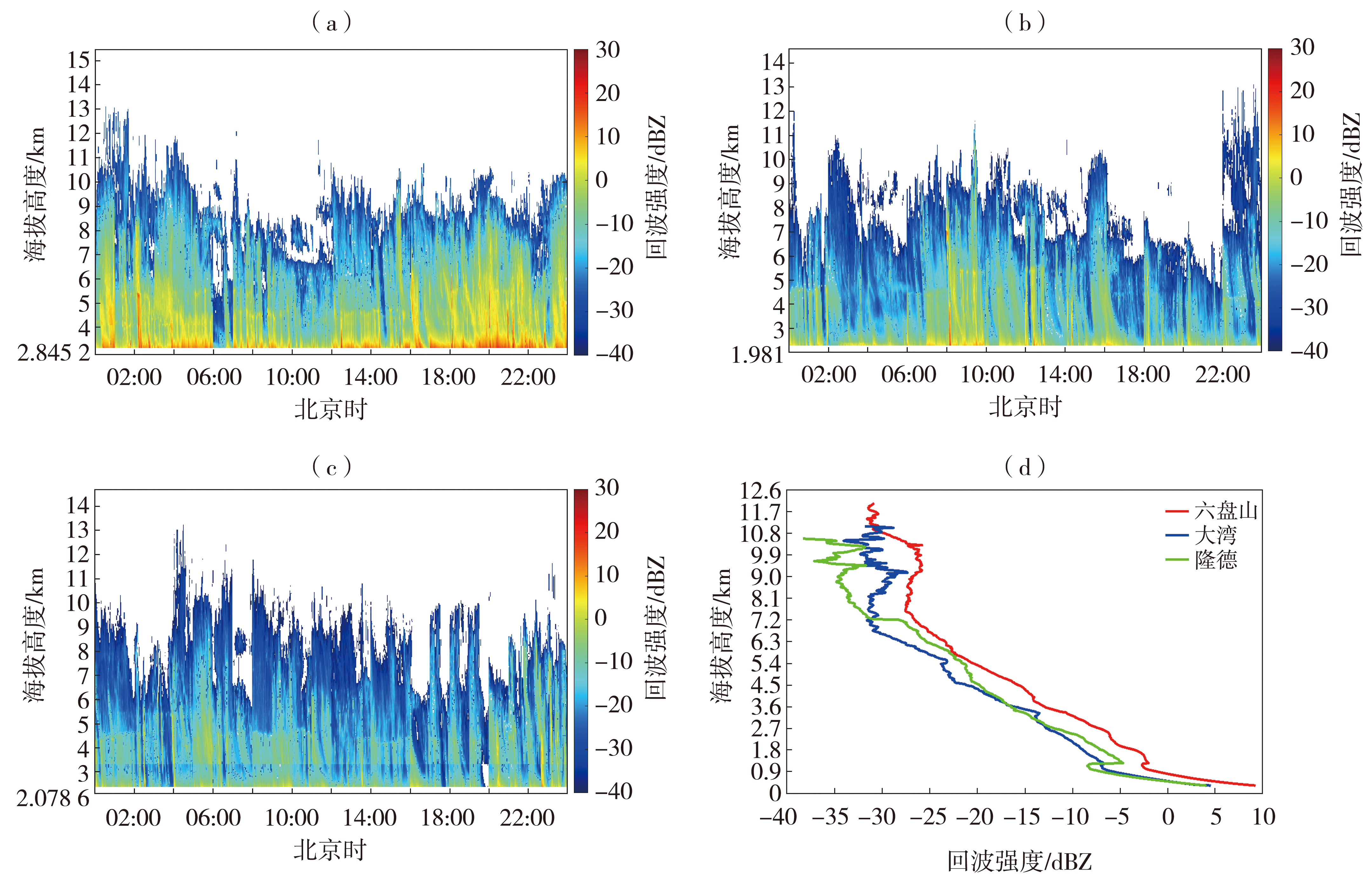
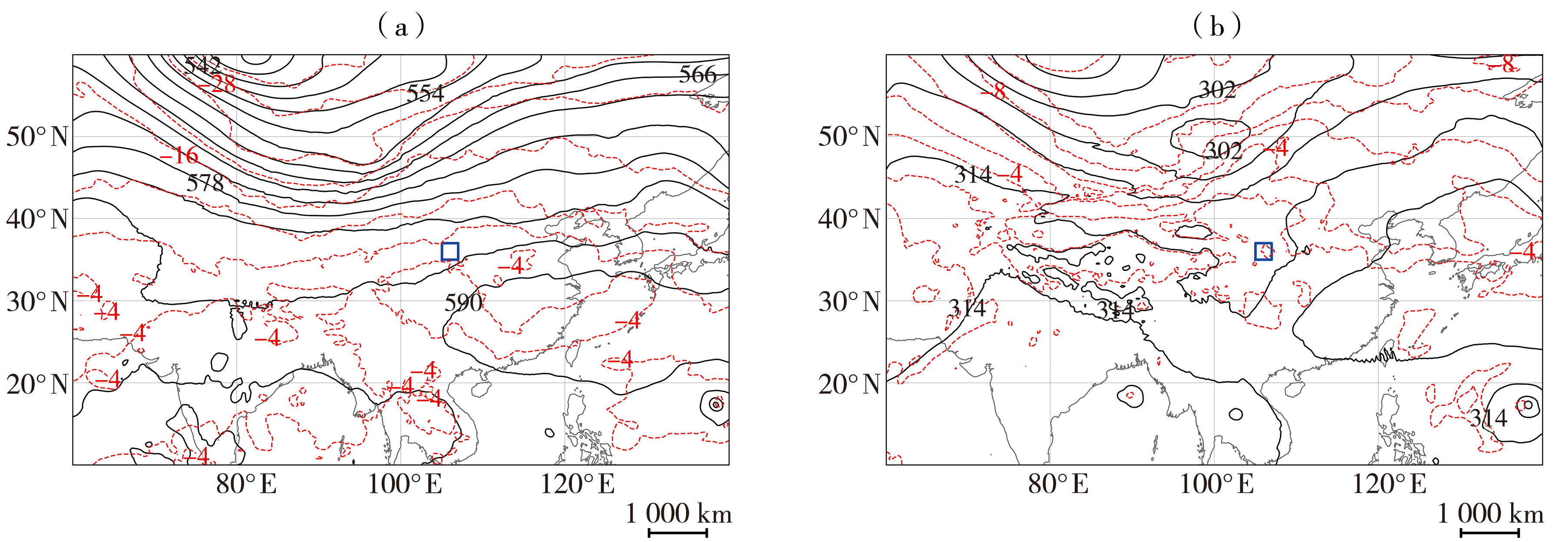
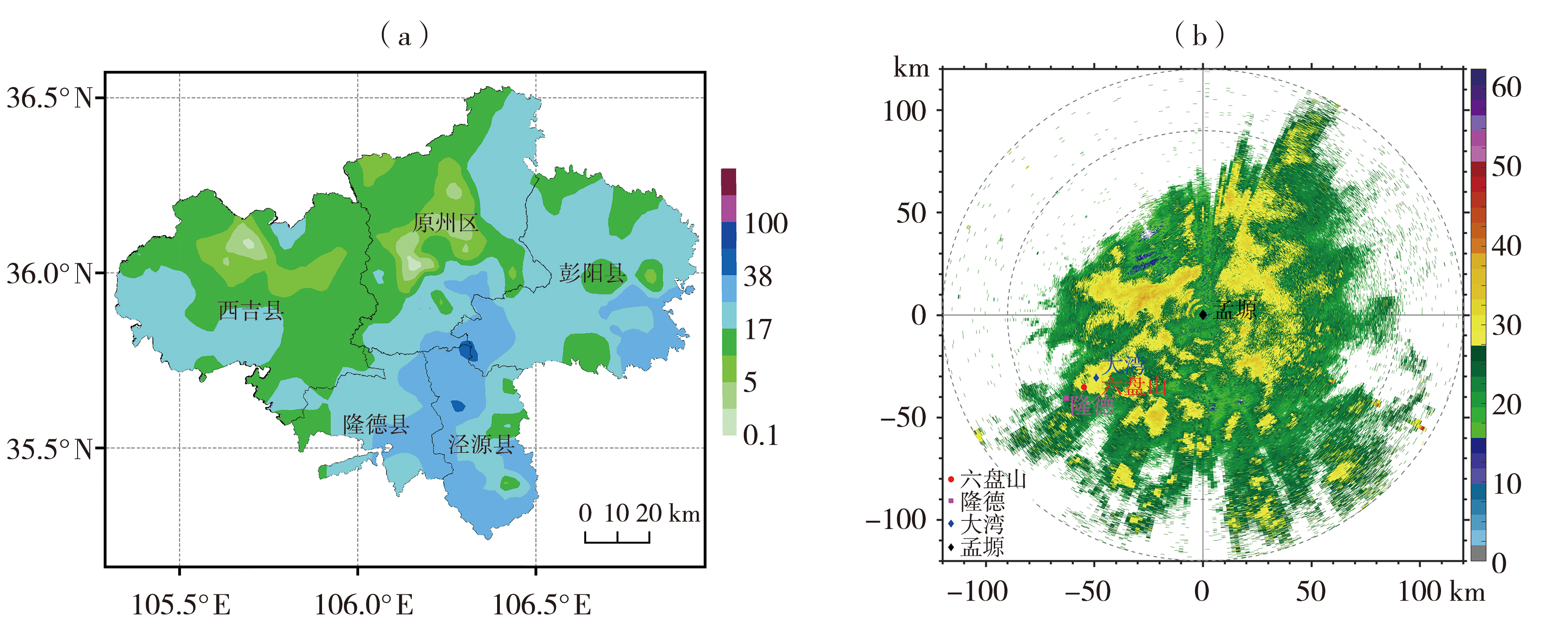
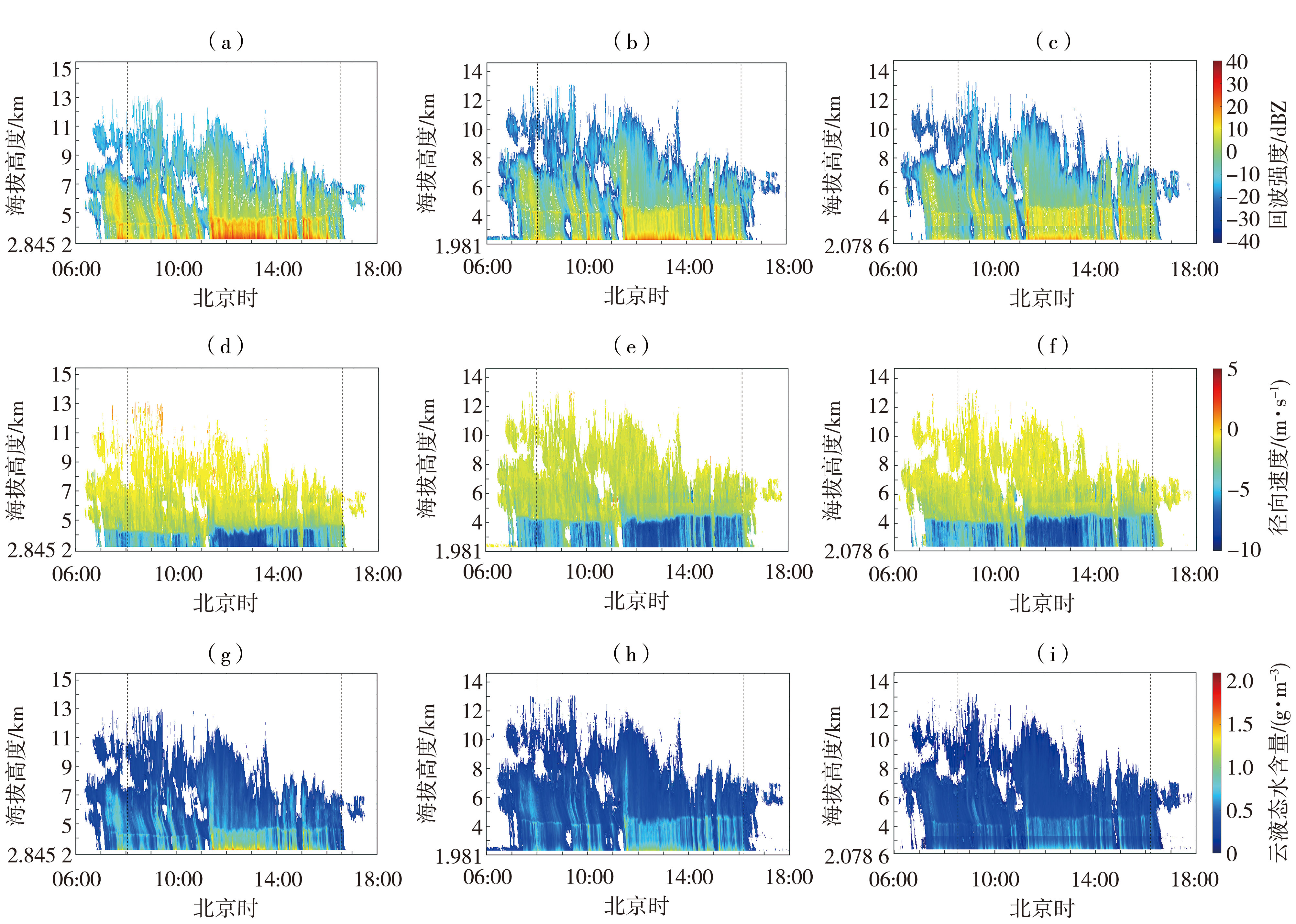
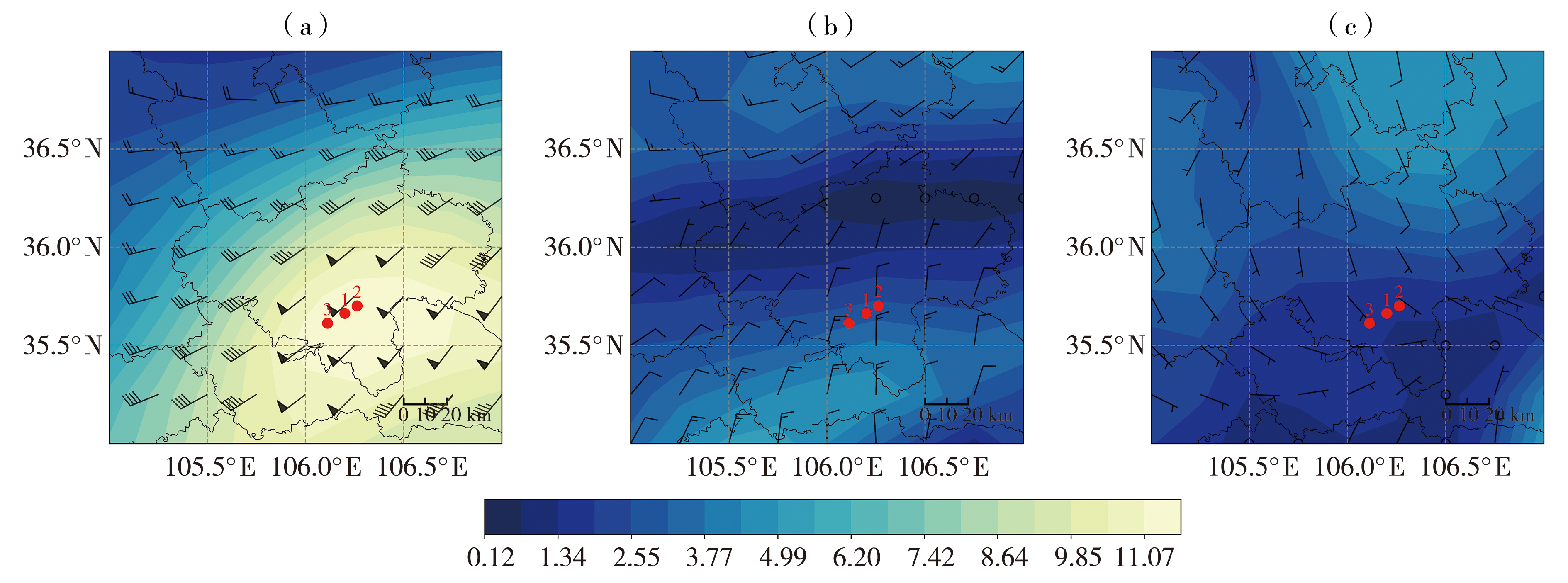
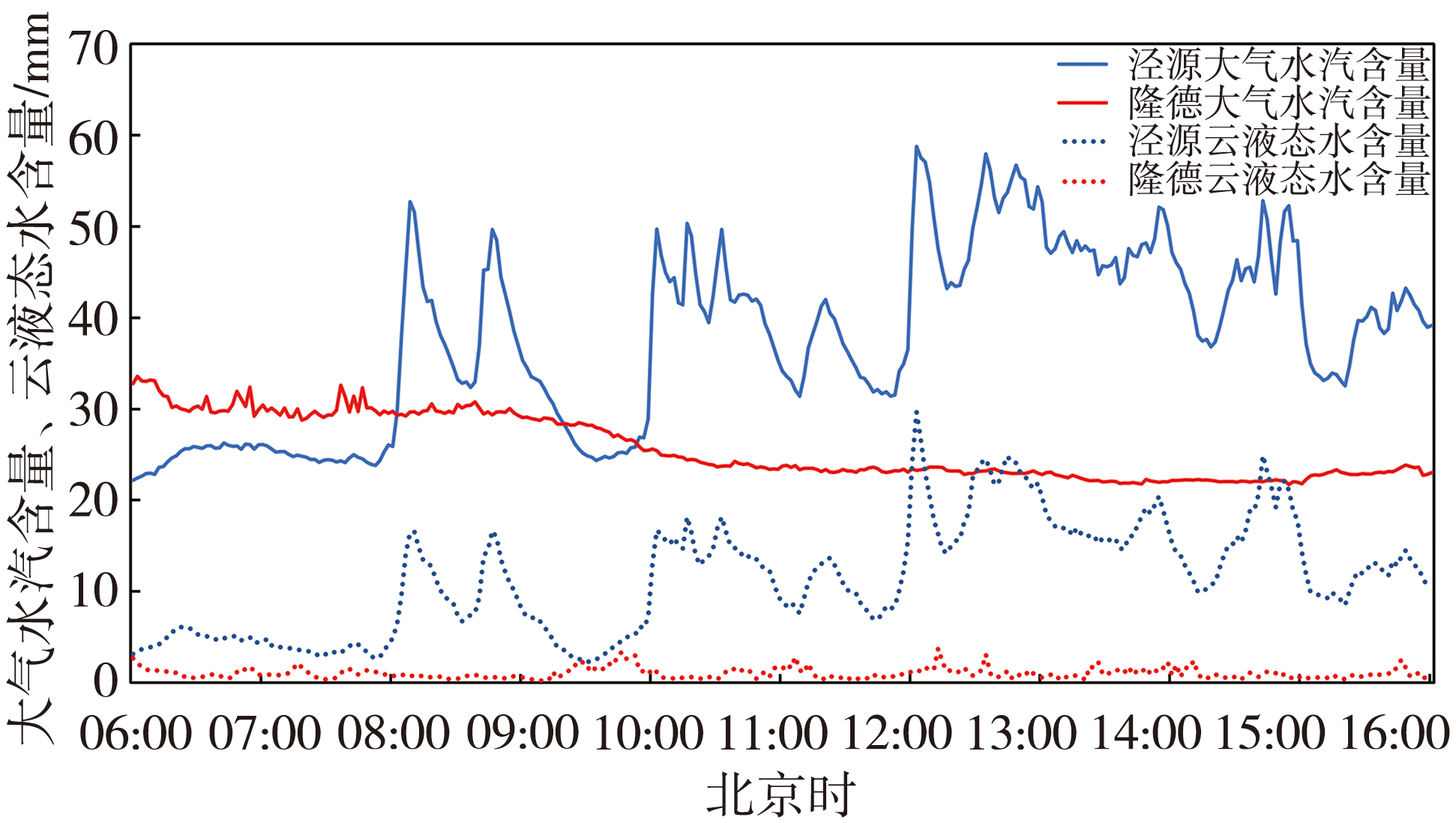
六盘山区积层混合云降水频发,明晰其云垂直结构特征及山地地形影响机制,对提升当地人工影响天气作业能力具有重要意义。本文选取20次积层混合云小雨过程及典型个例,基于Ka波段云雷达、X波段天气雷达、ERA5再分析及微波辐射计等多源资料,系统分析云宏观结构特征、回波强度分布及动力和水汽条件的空间差异。结果表明,六盘山站累计降水量和降水持续时间显著高于东坡大湾站与西坡隆德站,云垂直结构与降水变化在时间和空间上具有良好对应关系,并呈明显的地形分异特征。六盘山站云顶高度、云厚及回波强度均显著高于坡地站点。六盘山区积层混合云小雨过程中,云垂直结构同时具有层状云与对流云特征,在较稳定降水阶段,4~5 km处存在明显0 ℃层亮带结构,中低层(亮带下方)为主要降水贡献区,回波强度平均值为4.1~9.2 dBZ。降水高发阶段云层厚度显著增加,低层强回波区明显增强。典型降水个例分析表明,高低空环流耦合与副热带高压外围水汽输送为降水提供必要的动力和水汽条件,地形通过动力抬升及迎风坡效应调制云体垂直结构,其中东坡水汽供应及云液态水累积能力显著优于西坡,是造成降水空间差异的重要原因。

关键词: 六盘山区, 云雷达, 积层混合云, 云垂直结构

Abstract:

Stratiform-convective mixed cloud precipitation occurs frequently in the Liupanshan region. Understanding the vertical structure characteristics of clouds and the influence mechanism of mountainous topography is of great importance for improving local weather modification operations. Based on multi-source observations from Ka-band cloud radar, X-band weather radar, ERA5 reanalysis, and microwave radiometers, this study selected 20 light precipitation processes associated with stratiform-convective mixed clouds and systematically analyzed the spatial differences in cloud macroscopic structures, radar reflectivity characteristics, and dynamic and water vapor conditions. The results show that the cumulative precipitation amount and precipitation duration at Liupanshan Station are significantly higher than those at Dawan Station on the eastern slope and Longde Station on the western slope. The vertical structure of clouds shows a good spatiotemporal correspondence with precipitation and exhibits evident topographic differentiation. Cloud-top height, cloud thickness, and radar reflectivity at Liupanshan Station are significantly greater than those at the slope stations. During light precipitation processes of stratiform-convective mixed clouds in the Liupanshan Mountain area, the cloud vertical structure exhibits characteristics of both stratiform and convective clouds. During relatively stable precipitation periods, a distinct 0 °C bright band appears at 4-5 km altitude. The middle and lower layers below the bright band serve as the main precipitation contribution region, with a mean radar reflectivity of 4.1-9.2 dBZ. During periods of frequent precipitation, cloud thickness increases significantly, and the intensity of strong radar echoes in the lower layers is markedly enhanced. Typical precipitation case analysis indicates that the coupling of upper- and lower-level circulation and water vapor transport associated with the periphery of the subtropical high provides necessary dynamic and moisture conditions for precipitation. Topography modulates the cloud vertical structure through dynamic lifting and windward slope effects. The water vapor supply and cloud liquid water accumulation capacity on the eastern slope are significantly stronger than those on the western slope, which is an important cause of spatial differences in precipitation.

Key words: Liupan Mountain area, cloud radar, stratiform and convective mixed clouds, vertical structure of cloud

中图分类号: